Whisky isn’t just about flavor and age — it’s also about strength. That little number on the bottle — the ABV (Alcohol by Volume) — tells you more than you might think. From influencing taste and aroma to shaping how you enjoy your dram, ABV is one of the most important details to understand.
Let’s break down what it really means, why it matters, and how to choose the right ABV for your palate
What Does ABV Mean?
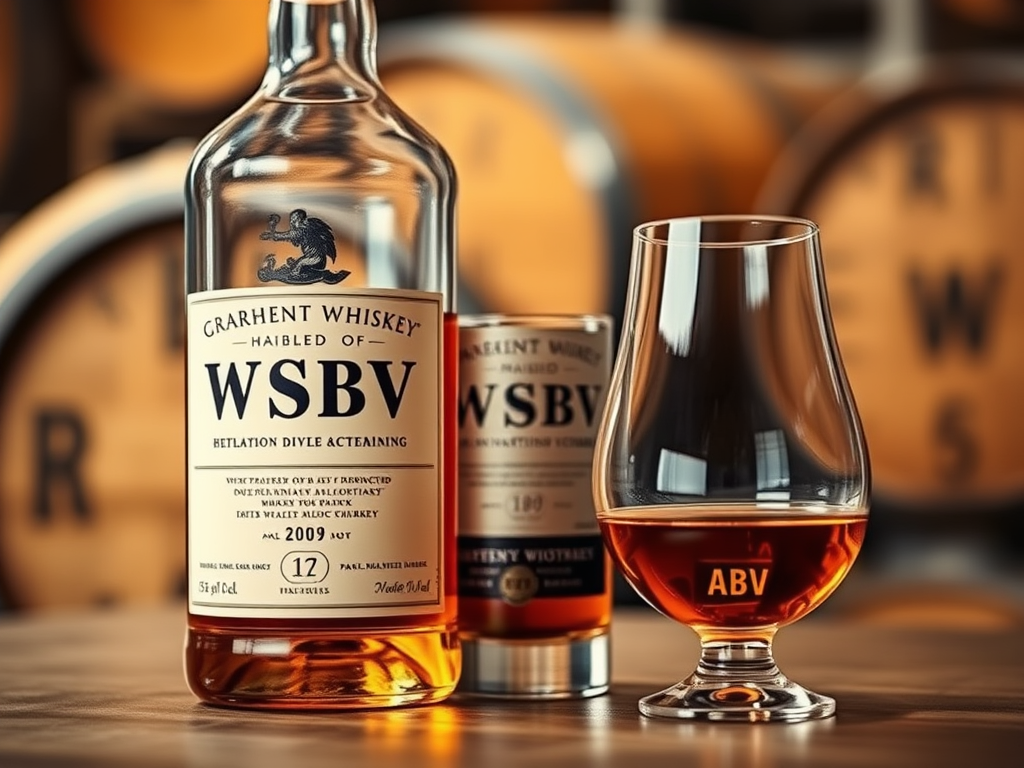
ABV, or Alcohol by Volume, measures how much alcohol (ethanol) is in a whisky. It’s expressed as a percentage of the total liquid volume.
For example:
A whisky labeled 40% ABV contains 40% pure alcohol and 60% water and other components.
In the U.S., you’ll often see the term “proof” — which is simply ABV × 2.
40% ABV = 80 proof
50% ABV = 100 proof
So, when you hear someone say “cask strength” or “100 proof,” they’re really talking about ABV
How ABV Affects Flavor
ABV doesn’t just determine how strong a whisky feels — it shapes the entire tasting experience.
1. Aroma Intensity
Higher ABV whiskies (45% and up) let loose some seriously bold aromas. We’re talking deep, rich scents like peat, spice, and oak. Just a heads up though, if you jump in too fast, you might get hit with a bit of that strong alcohol “burn.”
2. Mouthfeel
Lower ABV whiskies (around 40–43%) are smoother, softer, and more approachable. They coat the tongue gently, making them ideal for casual sipping.
3. Flavor Complexity
Cask strength whiskies (often 55–65% ABV) deliver an explosion of flavors. The intensity can be overwhelming neat, but with a few drops of water, the hidden layers — honey, smoke, fruit, or spice — come alive.
4. Finish
Higher ABV usually means a longer finish — the warmth lingers, with more evolving notes after you swallow.
Should You Add Water?
Adding water isn’t “diluting” — it’s unlocking.
A few drops of water can:
Reduce the alcohol’s volatility (less burn on the nose).
Release congeners (flavor molecules) trapped by the alcohol.
Help reveal subtler notes — like floral or fruity hints hidden under the alcohol punch.
Experiment: start with a small pour of cask strength whisky neat, then add water a few drops at a time until it opens up to your liking.
Cask Strength vs Standard Bottling
Type ABV Range Characteristics
Standard Bottling 40–43% Smooth, consistent, beginner-friendly
High Proof 46–50% Bolder flavors, slightly more punch
Cask Strength 55–65%+ Intense, complex, for enthusiasts
Cask strength whiskies aren’t diluted before bottling — you’re tasting the spirit as it came out of the cask. It’s whisky in its rawest, most authentic form.
ABV Standards Around the World
Different regions have their own regulations for minimum whisky ABV:
Scotland: Must be bottled at minimum 40% ABV.
Ireland: Also 40% minimum.
USA (Bourbon & Rye): Must be at least 40% ABV (80 proof), but barrel entry proof can’t exceed 125.
Japan: Generally follows Scotch standards. So, if you see something below 40%, it’s technically not whisky by legal definition in those regions
Why ABV Matters for You
Choosing the right ABV comes down to personal preference:
Want something smooth, sociable, and easy-drinking? Go for 40–43%.
Looking for more body and intensity? Try 46–50%.
Want to explore complexity and control dilution yourself? Cask strength is your playground.
ABV is about balance — between flavor, heat, and enjoyment.
The Final Pour
Next time you reach for a bottle, don’t overlook that little number. ABV tells you the story of the whisky’s strength, character, and authenticity. Whether you like your dram neat, with water, or on the rocks, understanding ABV helps you appreciate every sip for what it truly is — the perfect proof behind the pour.
What’s your ideal ABV?
Do you prefer smooth 40% sippers or the firepower of cask strength? Share your thoughts in the comments or tag your next pour with #AllAboutWhisky.
 all about whisky
Leave a comment